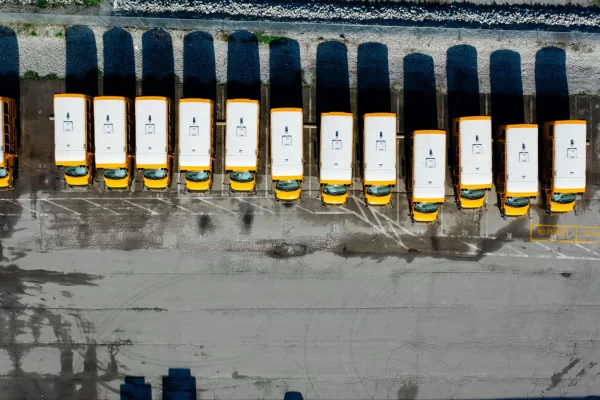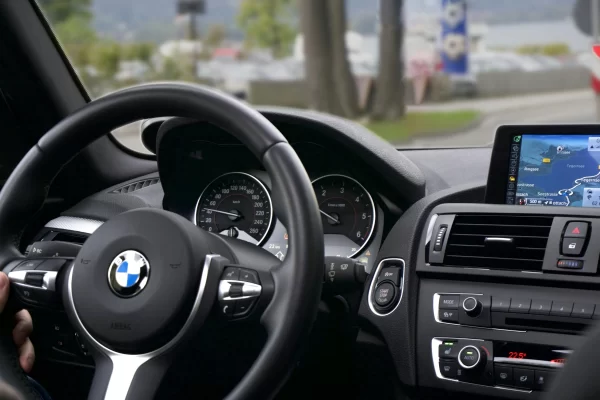


Fleet safety has become a daily operational priority for organizations managing vehicles. Crash rates in certain sectors have risen, insurance premiums have increased for many fleets, and compliance regulations continue to evolve. Fleet managers face the ongoing challenge of protecting fleet drivers, safeguarding company assets, and maintaining service standards.
Traditional safety programs that rely on paperwork, occasional training, and basic vehicle inspections often fall short for fleets operating in high-risk environments. Factors such as distracted driving, tight delivery windows, and roadway congestion require a more proactive approach.
To address these challenges, many fleets are integrating AI video, ADAS features, and vehicle telematics. These tools provide actionable insights into driver behavior, support safer driving habits, and reinforce fleet safety plans with data that enhances decision-making.
Traxxis GPS Solutions provides AI dash cams and telematics integrations that complement existing fleet safety policies, assist in driver protection, and simplify compliance management. Technology now plays a central role in supporting safer, more efficient fleet operations.
What Is a Modern Fleet Safety Program?
A modern fleet safety program extends beyond written policies. It combines structured training, operational procedures, inspections, and technology to reduce risks before incidents occur. Fleet managers benefit from tools that offer real-time visibility, track driver performance, and support consistent coaching across all vehicles.
Traditional programs often operate reactively, with managers learning about collisions, mechanical issues, or compliance violations only after they happen. Without timely insights into driver behavior or vehicle health, preventing accidents becomes more difficult.
Key components of a modern fleet safety program include:
- A clear fleet safety policy outlining expectations and enforcement
- Consistent driver training focused on safe driving practices
- Daily vehicle inspections supported by automated alerts
- Monitoring tools for distracted driving, speeding, and signs of driver fatigue
- Equipment checks covering tires, brakes, and essential systems
- Policies for cell phone use, seat belts, and routine vehicle maintenance
- Telematics integrated with AI video for improved operational visibility
By combining structured policies with technology, fleet managers gain objective insights to improve safety, accountability, and operational efficiency.
Why Fleet Safety Matters More Than Ever

Vehicle crashes remain the leading cause of workplace fatalities in the transportation industry. One preventable collision can derail schedules, damage equipment, injure employees, and expose the organization to lawsuits. For fleets already managing tight margins, these losses add pressure to operations and budgets.
Accidents increase insurance premiums, interrupt service, and trigger costly fines tied to compliance regulations. Beyond financial strain, collisions impact employee satisfaction, customer trust, and the company’s reputation within the industry.
This is why fleet management leaders invest in comprehensive fleet safety plans that address both driver behavior and vehicle health. When safety programs combine modern technology with strong policies, organizations see measurable results: fewer claims, lower liability, and more confident drivers behind the wheel.
Any company that depends on transportation soon realizes that fleet safety isn’t optional — it’s essential for long-term efficiency, cost control, and operational success.
The Missing Piece: Why Traditional Safety Programs Aren’t Enough
Even the most carefully crafted vehicle safety policies lose effectiveness without technology to support them. Manual training, paper inspections, and reactive coaching fall short in today’s fast-moving fleet environment.
Key gaps include:
- No real-time insight into distracted driving
Drivers can glance at a phone for two seconds and cover half a football field. Manual monitoring cannot catch these behaviors in the moment. - No visibility into driver fatigue
Fatigue is one of the biggest contributors to collisions, yet it’s almost impossible to identify without AI-supported tools. - Limited tracking of vehicle health
Relying solely on scheduled inspections overlooks maintenance issues that emerge between checks. - Delayed response when an incident occurs
Managers often receive incomplete information, making investigations slower and more vulnerable to disputes.
Without proactive systems, even fleets with strong safety policies struggle to prevent collisions and maintain compliance. To keep drivers safe and protect operations, fleets need tools that detect risks instantly — not hours later.
Introducing AI Video & ADAS: The New Standard for Fleet Safety
AI dash cameras are transforming fleet operations. These cameras use artificial intelligence, machine learning, and computer vision to identify risks in real time. When the system detects unsafe behavior such as hard braking, tailgating, or distracted driving, it triggers automated alerts and provides instant voice coaching inside the vehicle.
ADAS (Advanced Driver Assistance Systems) elevates this even further with:
- Forward Collision Warning
- Lane Departure Alerts
- Tailgating Detection
- Speed Alerts
- 360° awareness depending on configuration
Instead of reacting after accidents occur, AI video builds a proactive shield around drivers. Fleet managers gain clear visibility into risky habits, patterns, and incident details. Every piece of footage is linked with GPS location, vehicle speed, and driver ID, strengthening investigations and reducing liability.
Compared to legacy cameras or basic telematics, AI video delivers stronger insights, faster responses, and more reliable data for improving driver safety across the entire fleet.
How AI Video Improves Driver Behavior
Fleet managers have long struggled to coach drivers consistently. AI video solves this challenge by offering immediate feedback at the exact moment a risky action occurs.
The system identifies:
- Distracted driving
- Cell phone usage
- Failure to wear seat belts
- Tailgating
- Rolling stops
- Unsafe lane changes
- Aggressive acceleration
- Driver fatigue indicators
When an unsafe action occurs, the driver hears a real-time coaching prompt, helping them adjust instantly. These alerts support safer habits without requiring a manager to be present in the vehicle.
For managers, video provides:
- Clear documentation for training
- Accurate incident reconstruction
- Protection against false claims
- Behavior scoring for each driver
- Measurable progress tracking
This reinforces a positive safety culture and improves long-term driving practices across the fleet. Instead of relying solely on occasional training, drivers receive continuous coaching that strengthens their ability to operate safely and confidently.
Vehicle Inspections Reimagined with Smart Tech
Vehicle inspections and maintenance play a critical role in preventing collisions. With AI-enhanced telematics, fleets no longer rely on manual logs or inconsistent reporting.
These tools detect:
- Engine faults
- Brake issues
- Tire pressure changes
- Excessive idling
- Hard braking trends
- Maintenance risks linked to unsafe operation
Automated alerts help fleets identify vehicle health problems before they interrupt service or create safety hazards. Managers gain real-time insight into equipment, allowing them to schedule service at the right time and avoid costly breakdowns.
Integrated inspection data supports compliance regulations, provides documented proof during audits, and ensures every vehicle receives proper attention. Instead of chasing paperwork, managers track vehicle maintenance with accurate digital reporting.
Implementing Safety Policies with Modern Technology
Even the strongest fleet safety policy becomes far more effective once supported by technology. AI video helps automate enforcement, ensuring every driver follows safety procedures consistently.
Modern tools help fleets:
- Integrate real-time data into written policies
- Enforce rules on speeding, distractions, and seat belt use
- Create incident reports automatically
- Maintain driver scorecards
- Track coaching progress
- Audit safety programs for improvements
With objective data, organizations establish a clear, fair system that promotes accountability and protects both employees and the company. Managers gain confidence that safety policies hold up during compliance reviews and legal challenges.
Traxxis GPS Solutions supports fleets with unified AI video, telematics, and policy tools designed to streamline safety operations, reduce liability, and keep transportation teams efficient.
What to Look For in a Fleet Safety Technology Partner
Choosing the right partner determines the success of your fleet safety program. Look for providers that deliver:
- AI dash cams tightly integrated with GPS and vehicle telematics
- Automated alerts, driver scoring, and clear behavior insights
- Easy onboarding for drivers
- 24/7 support
- Installation teams that work around your schedule
- Compliance-ready reporting
- Scalable solutions for your entire fleet
Traxxis GPS Solutions offers all these capabilities in a unified platform designed to support driver safety, reduce risk, and strengthen fleet operations long term.
ROI & Real-World Impact of Modern Fleet Safety Systems
Fleets that adopt AI video and strong fleet safety plans consistently see:
- Fewer collisions
- Lower insurance premiums
- Reduced claims and legal exposure
- Faster investigation times
- Better driver retention
- Stronger compliance
- Higher customer satisfaction
- Lower operational costs
By preventing accidents, staying ahead of maintenance issues, and protecting both drivers and equipment, companies create safer and more efficient transportation operations. This reduces overall costs and strengthens the organization’s reputation in a highly competitive industry.
Conclusion
Fleet safety sits at the center of every successful transportation operation. Advanced AI video, ADAS systems, and telematics give managers the visibility they need to reduce risk, protect employees, and maintain efficient service. These technologies are no longer optional additions — they form the foundation of modern fleet safety programs.
Companies that invest in strong safety practices improve compliance, avoid costly fines, reduce liability, and protect drivers on the road. The fleets leading the industry today rely on smart tools, reliable data, and consistent coaching to stay ahead of risks.
Ready to build a safer fleet and reduce accidents with AI?
Contact Traxxis GPS Solutions today and request your Fleet Safety Assessment.