

This guide is the definitive resource for fleet managers evaluating vehicle camera systems to protect their bottom line.
TL;DR: Fleet managers use vehicle camera systems to eliminate liability blind spots, reduce insurance premiums, and protect drivers. This guide breaks down how to choose between basic dash cams and multi-camera MDVR systems based on your specific safety and ROI goals.
Across the fleet industry, visibility has increasingly become a priority that directly affects safety, liability, and long-term performance. Vehicle camera systems now play a central role in how fleets understand what happens on the road, inside the cab, and around every vehicle. When an incident occurs, guessing no longer works. Leaders want clear answers, backed by video, not assumptions.
Leaders want clear answers, backed by HD video, to answer the only question that matters after a crash: “How much is this incident going to cost us?” From delivery vans to heavy-duty trucks, cameras create a culture of accountability while shielding drivers from false claims.
Traxxis GPS Solutions supports fleets with tested, commercial-grade camera systems designed for real-world conditions and scalable operations.
What Is a Commercial Vehicle Camera System?
A commercial system is an integrated network of cameras—front, side, rear, and cabin—connected to a centralized recording unit. Unlike consumer-grade dash cams that often rely on simple accelerometers and have delayed recording times, commercial systems are hardwired into the vehicle’s electrical system for 100% uptime.
Commercial vs. Consumer: What’s the Difference?
| Feature | Consumer-Grade | Commercial-Grade |
| Power | Cigarette lighter/USB (unreliable) | Often hardwired to vehicle |
| Storage | Small SD cards (overwrite quickly) | Large-scale MDVR storage + Cloud backup |
| Connectivity | Manual SD card pull | 4G/LTE Real-time remote access |
| Durability | Plastic housings | Ruggedized, high IP-rated weatherproofing |
Unlike consumer car cams built for individual users, commercial camera systems focus on durability, stable power, centralized recording, and fleet-wide access. These systems are equipped to handle constant use, changing lighting conditions, and long hours on the road.
Core components include:
- Cameras designed for commercial vehicles
- Secure mounts that stay stable during operation
- Continuous vehicle power connections
- Local and cloud-based recording for reliable footage
Types of Commercial Vehicle Camera Systems

1. Dash Cameras (Front-Facing and Dual Facing)
A dash cam captures video of the road ahead, documenting traffic flow, signals, and unexpected events. For many fleets, the front-facing cam becomes the primary source of evidence after an accident. The best dash cam options deliver consistent quality across day and night driving.
There’s alsodual-facing dash cams, which are now becoming industry standard. They track both the road and the driver simultaneously to provide a 360-degree view of an incident’s cause.
2. Side Cameras
Side cameras eliminate blind spots during lane changes, while rearview cameras (often with parking lines) ensure safer docking. These are critical for navigating dense urban environments where “side-swipe” fraud is common.
Expert Insight: Side-view cameras are the #1 tool for eliminating “side-swipe” fraud in urban delivery routes.
3. Multi-Camera MDVR Systems (Fleet Grade)
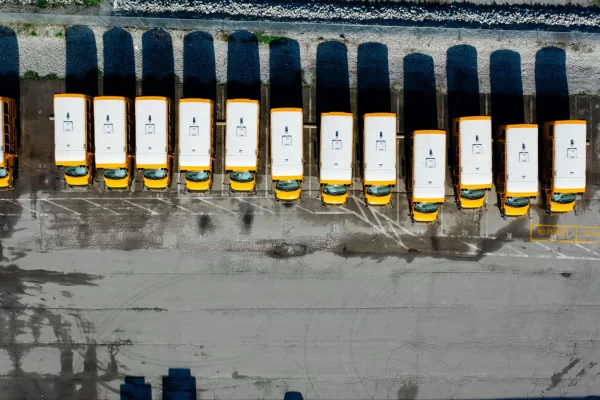
MDVR systems support several options for multi-angle recording, often using four to eight cameras connected to a central unit. Common across logistics, transit, and school bus fleets, these systems capture synchronized footage across the entire vehicle.
4. AI-Powered Camera & Driver Monitoring Systems (DMS)
AI-enabled camera systems detect risky driver behavior such as phone use, tailgating, or distraction. Real-time alerts help drivers self-correct while managers gain insight into patterns shaping future driver safety programs.
Advanced systems now include DMS and ADAS (Advanced Driver Assistance Systems). These use AI to detect if a driver is falling asleep, using a cellphone, or tailgating, triggering real-time in-cab alerts to prevent accidents before they happen.
Nowadays, with AI now becoming more than just a buzzword, there’s been an increased clamor for AI-powered cameras. And for good reason too. Industry reports from 2025 show that AI-enabled dual-facing cameras are 2x more effective at reducing risk than standard cams.
Key Features and Technology to Look For

Not all vehicle camera systems are built to perform in real fleet environments. The right technology focuses on clarity, reliability, and context, especially when decisions rely on what the video shows.
- Clear video comes first.
High-definition recording paired with wide-angle lenses ensures the road ahead, surrounding lanes, and nearby vehicles are captured in full view. This level of detail matters when reviewing close calls, lane changes, or sudden stops that standard cameras often miss. - Visibility after dark is non-negotiable.
Night vision capability keeps footage usable during nighttime routes, early morning dispatches, and low-light facilities. Cameras designed for commercial fleets adjust to changing lighting conditions so footage remains sharp without glare or heavy noise. - Context turns video into insight.
GPS tracking layered with speed and location data shows where the vehicle was, how fast it was moving, and what led up to an incident. LTE or Wi-Fi connectivity then pushes that data to the cloud, eliminating delays and manual downloads. - Immediate feedback improves behavior.
Real-time alerts tied to unsafe driving events help managers address issues sooner. When video connects with telematics data, fleets gain a clearer picture of driver behavior patterns rather than isolated clips. - Access matters as much as recording.
Fleet managers need fast access through mobile apps and desktop platforms. Loop recording with secure retention keeps storage efficient while ensuring important footage stays available when needed. - Looking ahead.
AI-based coaching tools continue to shape fleet safety by identifying trends and supporting consistent improvement over time—not just after an incident occurs.
When a driver gets into a questionable accident, the “specifications” become your best witnesses.
- The “Night Vision” Reality Check: For disputed claims occurring in the middle of the night, exterior cameras require dedicated IR (Infrared) sensors to capture legible images and video. High-quality night vision is the difference between a dismissed claim and a $50,000 payout.
- G-Sensors and Event Locking: G-sensors detect impacts and automatically “lock” the relevant footage, preventing the system from overwriting the most critical seconds of a collision. Event videos, such as driver distractions or driver safety issues, are automatically captured and stored online for access or review without worrying about losing any critical video or having to retrieve the video yourself.
- LTE & 4G Connectivity: This allows for remote access, enabling fleet managers to live-stream or download footage instantly to a mobile device without waiting for the vehicle to return to the yard.
- GPS & Telematics Integration: Clear video is good; video layered with speed, location, and braking data is a legal “slam dunk.”
Traxxis GPS Solutions brings video, GPS tracking, and vehicle telematics together into one platform, giving fleet leaders a clearer view of what truly happens on the road.
Components of a Complete Camera System
A complete setup combines hardware, software, and connectivity:
- Hardware: Cameras, cables, mounts, or MDVR units built for commercial vehicles
- Software: Fleet portals that allow users to review footage, incidents, and alerts
- Connectivity: GPS, LTE, and Wi-Fi connections that keep systems synced
Installation planning matters. Professional installation services reduce downtime and ensure every camera is properly mounted, powered, and tested.
Benefits for Fleets and Commercial Vehicles
Vehicle cameras deliver a massive ROI by addressing three primary cost centers:
- More visibility: More advanced vehicle camera systems can give remote access to video footage, enabling fleet managers to stay informed about their vehicles.
- Exonerating Drivers: Protect your team against “crash for cash” scams and false insurance claims with Full HD evidence.
- Insurance Premium Reduction: Fleet vehicle camera systems can help reduce fleet and asset insurance costs by providing clear evidence in disputes.
- Proactive Coaching: Use customizable driver scorecards and video clips to identify risky patterns (distraction, fatigue) and coach drivers before an accident occurs.
Protecting drivers also protects customers, brand reputation, and fleet investments.
Use Cases Across Industries
Vehicle camera systems adapt to different operating realities.
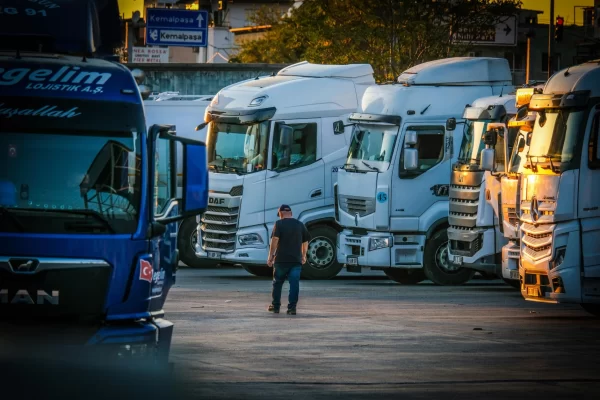
- Trucking and logistics fleets rely on multi-angle coverage for highway and urban routes
- Public transportation and buses benefit from interior and exterior visibility
- Construction fleets depend on rugged cameras built for harsh environments
- School buses and service vehicles use video for accountability and safety assurance
- SMEs gain enterprise-level protection scaled to compact vans and mixed-use vehicles
The most effective systems match camera models to the vehicle, environment, and risk profile.
Specification Checklist: What Fleets Should Compare
Before committing to a system, fleets should compare:
- Video resolution and recording range
- Field of view coverage
- Night performance and lighting adaptability
- Connectivity and data stability
- Storage options and retention policies
- Power reliability and vehicle compatibility
- Weatherproof ratings
- Supported vehicle types
Quality and long-term reliability matter more than headline specs.
Budgeting for Your Camera System
Pricing depends on system complexity:
- Basic dash cam setups sit at the lower end
- Multi-camera MDVR systems fall into mid-range pricing
- AI-powered platforms carry higher upfront costs
Ongoing expenses include data plans, cloud storage, and maintenance. Fleets often see strong returns on investment through reduced accidents, lower liability exposure, reduced premiums, and fewer disputed claims.
Here are some numbers that our clients have achieved:
- Fuel Savings: Up to 50% reduction in fuel waste (AC & Heating fleet).
- Labor Savings: $2,300/mo saved in recovered wages (Roofing & Construction fleet).
- Operating Costs: $3,000 saved in fuel in month one (Commercial Cleaning fleet).
Key Features: Beyond the Spec Sheet
When a driver gets into a questionable accident, the “specifications” become your best witnesses.
- The “Night Vision” Reality Check:As our Video Telematics Specialists often note, standard 1080p cameras without IR sensors fail to capture plates in most nighttime disputes. We recommend our ZenCAM line, which offers up to 4K resolution to ensure clarity when it counts most.
- G-Sensors and Event Locking: G-sensors detect impacts and automatically “lock” the relevant footage, preventing the system from overwriting the most critical seconds of a collision.
- LTE & 4G Connectivity: This allows for remote access, enabling fleet managers to live-stream or download footage instantly to a mobile device without waiting for the vehicle to return to the yard.
- GPS & Telematics Integration: Clear video is good; video layered with speed, location, and braking data is a legal “slam dunk.”
Installation & Maintenance
Installation requirements depend on vehicle size, wiring access, and camera count. Professional installation reduces risk and ensures consistent performance.
Ongoing maintenance includes:
- Cleaning lenses for clear footage
- Inspecting mounts and power connections
- Applying software updates to improve features and accuracy
Proper care keeps systems reliable long after the install date.
How to Choose a Provider?
Fleet buyers should look beyond price and compare vendors based on:
- Warranty coverage
- Customer support responsiveness
- Cloud platform stability
- System uptime and reliability
- Fleet-focused design versus consumer products
Experience matters. Traxxis GPS Solutions brings over 20 years of industry experience and has served over 500 commercial fleets across the U.S. When a questionable accident occurs, you aren’t just calling a tech support line—you’re working with a team that has handled thousands of exoneration cases.
Frequently Asked Questions
Best commercial camera setup for trucks?
A three-or-four-camera configuration covering front, sides, and rear delivers balanced protection.
Can cameras reduce insurance costs?
Video evidence often supports claims defense and reduces disputed incidents.
How long does installation take?
Most vehicles are equipped within a few hours, depending on system size.
Are AI dash cams worth it for fleets?
AI systems provide actionable insights and real-time alerts that improve safety outcomes.
Can camera systems integrate with existing GPS/telematics?
Commercial systems are designed to connect video with location, speed, and event data.
Do commercial cameras record at night?
Yes. Night vision technology supports clear recording in low-light conditions.
Final Recommendations: Building a Safer, Smarter Fleet
Investing in a commercial vehicle camera system is about moving from a “reactive” safety posture to a “proactive” one. By combining AI-driven coaching with indisputable video evidence, you protect your drivers, your reputation, and your bottom line.
Ready to see exactly how much you can save?
[Get a Custom Hardware Mapping for Your Fleet in 24 Hours] Connect with Traxxis GPS Solutions today to build a system that pays for itself.
Contact Us!